Being diagnosed with high blood pressure doesn’t mean you can’t have a healthy pregnancy. Your pregnancy will require more monitoring and care, potentially from a specialist, but safe outcomes for both you and your baby are absolutely possible with the right support.
What Is High Blood Pressure in Pregnancy?
Blood pressure is a measure of the force of your blood against the walls of your arteries. A normal reading is typically around 120/80 mmHg. High blood pressure, or hypertension, means the pressure is consistently above normal, often over 140/90 mmHg.
During pregnancy, hypertension can fall into a few different categories:
- Chronic hypertension: High blood pressure that existed before pregnancy or is diagnosed before 20 weeks.
- Gestational hypertension: High blood pressure that develops after 20 weeks but without signs of organ damage.
- Preeclampsia: A more serious condition that includes high blood pressure plus signs of damage to organs, often the kidneys or liver.
- Superimposed preeclampsia: When someone with chronic hypertension develops preeclampsia during pregnancy.
Each type requires its own monitoring approach, but all fall under the umbrella of high-risk pregnancies.
How Can High Blood Pressure Affect My Pregnancy?
If you’re pregnant with high blood pressure, it is incredibly important to be closely monitored by your provider. Uncontrolled hypertension can increase the risk of:
- Preeclampsia: A dangerous condition that can lead to seizures, stroke, or organ failure if left untreated.
- Placental abruption: A condition where the placenta separates from the uterine wall too early, which can be life-threatening for both mother and baby.
- Preterm birth: High blood pressure may lead to early delivery to prevent more serious complications.
- Fetal Growth Restriction (FGR): Poor blood flow to the placenta may slow the baby’s growth.
- Low birth weight: Babies born early or with growth restriction may weigh less than 5.5 pounds.
The good news is that with regular prenatal care, proper treatment, and additional monitoring as required, these outcomes can often be prevented or managed.
How Do I Know If My Pregnancy Is High Risk Due to Blood Pressure?
If you’ve been diagnosed with high blood pressure, either before or during pregnancy, your OB/GYN or primary care provider may refer you to a maternal-fetal medicine specialist. That’s where we come in.
We’ll assess your overall health, review any medications you’re taking, and monitor how your body and your baby are responding to pregnancy. Some women with well-controlled blood pressure may only need routine monitoring, while others may need more frequent visits or tests.
We base your care plan on your individual risk factors, including:
- The severity of your blood pressure
- Whether you have other medical conditions like diabetes or kidney disease
- A history of preeclampsia or preterm birth
- Your baby’s growth and well-being on ultrasound
Can I Still Take My Blood Pressure Medication?
This is one of the most common questions we hear. Many blood pressure medications are safe to continue during pregnancy, but some are not, which is why it is so important to be closely monitored by your provider. Certain medications, such as ACE inhibitors or angiotensin receptor blockers (ARBs), are not recommended during pregnancy because they can affect fetal kidney development. Prenatal counseling will help to review what meds are safe to take.
Safer alternatives like labetalol, nifedipine, and methyldopa are commonly used during pregnancy and have been well studied. If you are planning a pregnancy and currently take a medication that isn’t recommended, talk with your provider about switching to one that is safer.
Never stop or change your medications without medical guidance. Uncontrolled blood pressure can be more harmful than staying on a well-managed treatment plan.
How Is High Blood Pressure Monitored During Pregnancy?
Managing high blood pressure during pregnancy involves regular check-ins with your care team to monitor both your health and your baby’s growth. This includes:
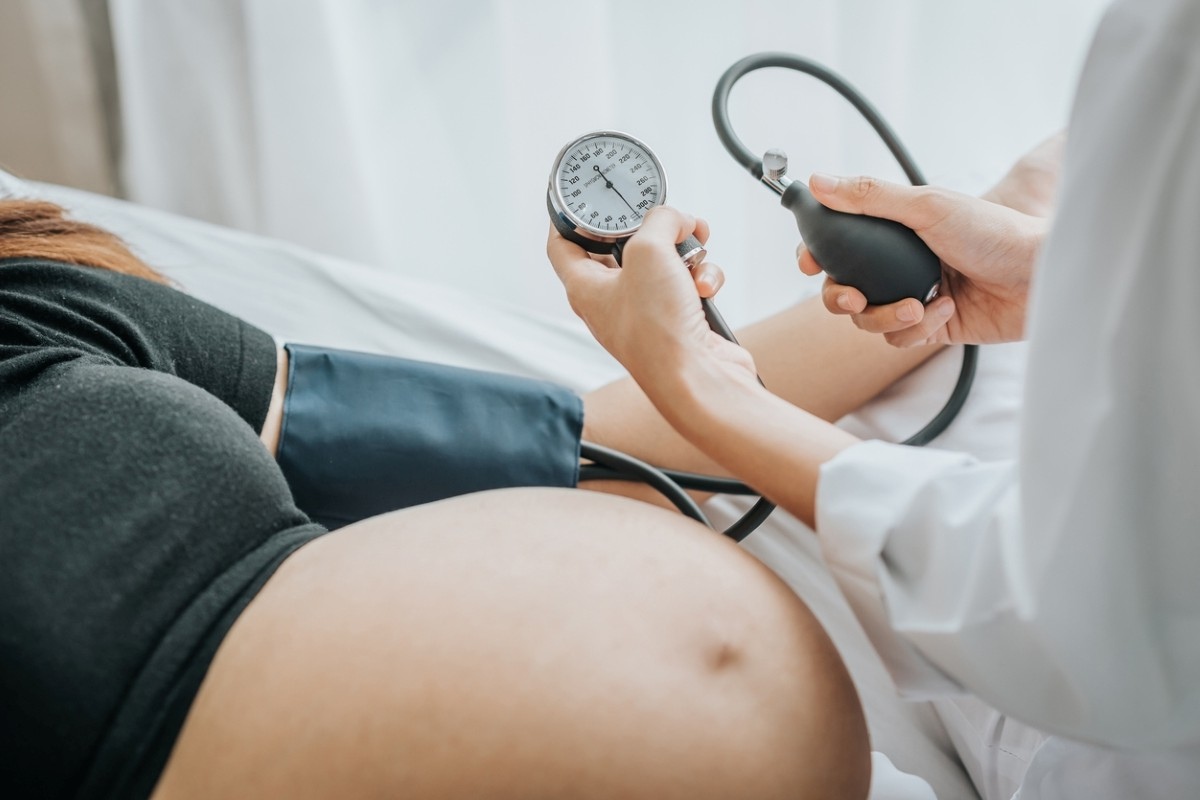
- Frequent blood pressure checks
At each visit, your blood pressure will be taken to monitor for any concerning changes. You may also be asked to check your pressure at home using a personal monitor. - Urine and blood tests
To watch for signs of preeclampsia, we’ll routinely check for protein in your urine and monitor liver and kidney function through lab work. - Ultrasounds to assess fetal growth
We use fetal growth scans to track how your baby is developing. Babies exposed to high blood pressure may be at risk for growth restriction, so we monitor their size, blood flow, and amniotic fluid. - Non-stress tests (NSTs)
Later in pregnancy, we may use NSTs to monitor your baby’s heart rate and activity level. - Medication adjustments
If your blood pressure rises, we may increase your medication or change your dosage. The goal is to keep your numbers in a safe range without affecting your baby.
What Can I Do at Home to Manage My Blood Pressure?
While medical treatment plays a big role, there are also steps you can take at home to support your health during pregnancy:
- Monitor your blood pressure at home if recommended. Keep a log and bring it to your appointments.
- Eat a balanced, low-sodium diet rich in fruits, vegetables, whole grains, and lean proteins.
- Stay physically active with your provider’s approval. Walking, stretching, or prenatal yoga can help.
- When possible, keep your legs elevated while resting.
- Stay hydrated and avoid excess caffeine.
- Get plenty of rest and try to manage stress through relaxation, meditation, or breathing exercises.
- Take medications exactly as prescribed and never skip doses.
If your provider gives you any specific restrictions, such as limiting physical activity, be sure to follow their instructions closely.
When Will I Deliver If I Have High Blood Pressure?
In many cases, women with controlled blood pressure can carry their pregnancy close to full term. However, delivery may be recommended earlier if complications arise or if the risks of continuing the pregnancy outweigh the benefits.
Depending on your situation, your provider may recommend delivery between 37 and 39 weeks. In more severe cases, especially if preeclampsia develops, delivery may be recommended sooner based on the concerns of your doctor. If you have high blood pressure and are pregnant or planning to become pregnant, schedule a consultation with our team today. Together, we’ll make sure you have the safest and healthiest experience possible.