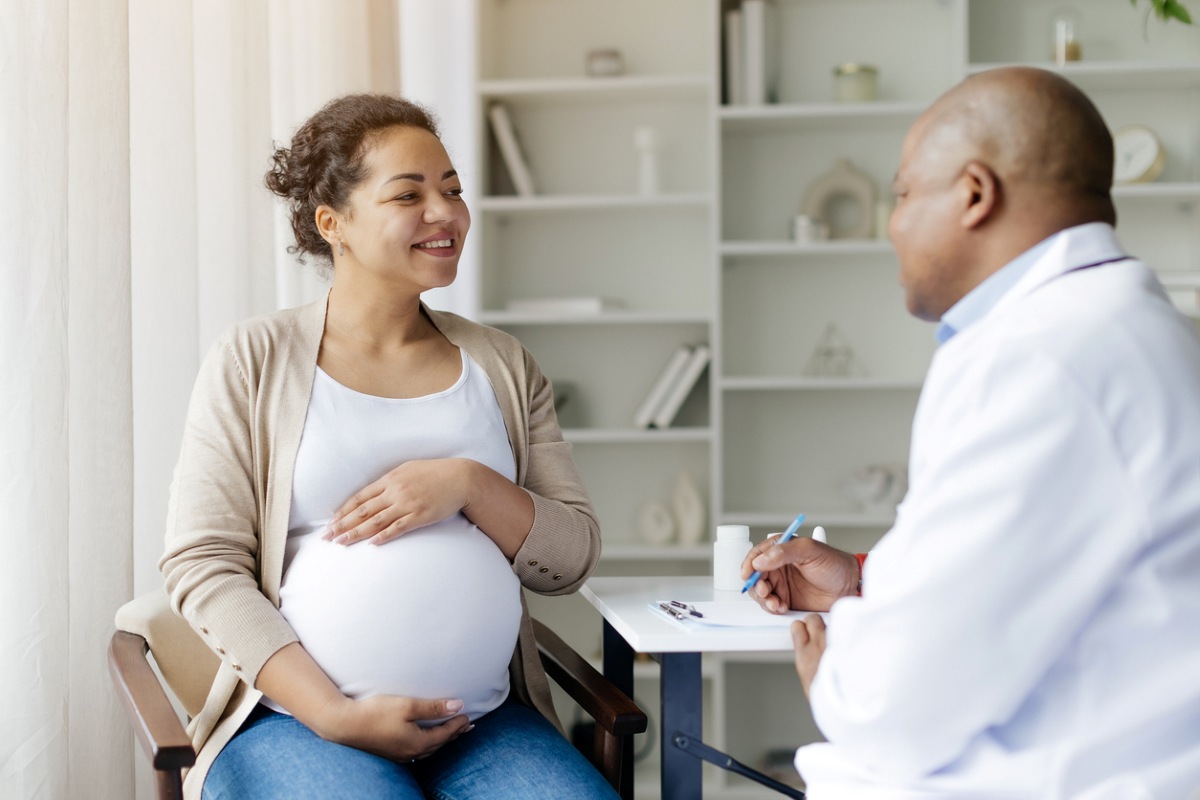
Pregnancy after a miscarriage or stillbirth is both a hopeful and complicated experience. While many people go on to have healthy pregnancies after these types of loss, pregnancy can feel very different after experiencing a pregnancy loss. The grief does not simply disappear when a new pregnancy begins, and it is completely normal to carry a mix of excitement and fear at the same time.
A subsequent pregnancy after loss is often treated differently from a medical standpoint as well. Depending on the circumstances of the prior loss, your care team may recommend additional testing, more frequent appointments, and a closer eye on both your physical and emotional health throughout the pregnancy.
How Care Plans May Change After a Loss
When you become pregnant after a miscarriage or stillbirth, your provider will want to understand the details of your previous loss as thoroughly as possible. In some cases, a specific cause for the loss may have been identified, which can guide the plan for your next pregnancy. In other cases, no clear cause is found, and care is adjusted based on general risk factors and your medical history.
Your provider may recommend early and more frequent ultrasounds, additional blood work, or specialized screenings that were not part of your previous pregnancy. If your loss was related to a condition like cervical insufficiency, blood-clotting disorders, or placental problems, there may be specific treatments or monitoring strategies that can reduce the risk of it happening again. Advanced testing and evaluation can help your care team identify the best path forward.
What Additional Monitoring Looks Like
For many patients, extra monitoring means more frequent prenatal visits, especially in the weeks surrounding the time when the prior loss occurred. Growth ultrasounds may be scheduled more often to track fetal development closely, and non-stress tests or other forms of fetal surveillance may begin earlier than they would in a routine pregnancy.
These additional appointments serve a dual purpose. They provide your care team with important clinical information, and they also offer reassurance during a time that can feel deeply uncertain. Hearing your baby’s heartbeat or seeing growth on an ultrasound can be a powerful source of comfort, even on difficult days.
The Emotional Side of Pregnancy After Loss
Anxiety during a subsequent pregnancy is incredibly common and does not mean something is wrong with you. Many patients describe feeling on edge at every appointment, analyzing every symptom, or struggling to let themselves feel hopeful. These feelings are a normal response to a painful experience, and they deserve attention just like any other aspect of your health.
May is Maternal Mental Health Awareness Month, which makes it a fitting time to talk about the emotional weight that pregnancy after loss can carry. Mental health is not separate from prenatal care. It is part of it. Feelings of grief, anxiety, or depression during pregnancy are real, valid, and treatable.
Why Emotional Support Matters in High-Risk Care
Having a care team that understands the emotional side of pregnancy after loss can make a meaningful difference. When your providers acknowledge your fears and take them seriously, it creates space for you to be honest about how you are really doing. That openness helps your team provide better care overall.
Behavioral health support, including therapy and psychiatric care during pregnancy, is an important resource for patients navigating this kind of experience. Talking with a professional who specializes in perinatal mental health can help you develop coping strategies, process grief, and feel more grounded as your pregnancy progresses. Support from social workers who can connect you with community resources is also valuable during this time.
You Do Not Have to Navigate This Alone
Pregnancy after loss requires both medical expertise and compassionate support, and you deserve both. If you are pregnant again after a miscarriage or stillbirth, know that extra monitoring and emotional care are available to you. The High Risk Pregnancy Center’s team of maternal-fetal medicine specialists, behavioral health providers, and support staff is here to walk with you through every stage of this journey. To schedule an appointment, call (702) 382-3200 or visit hrpregnancy.com.