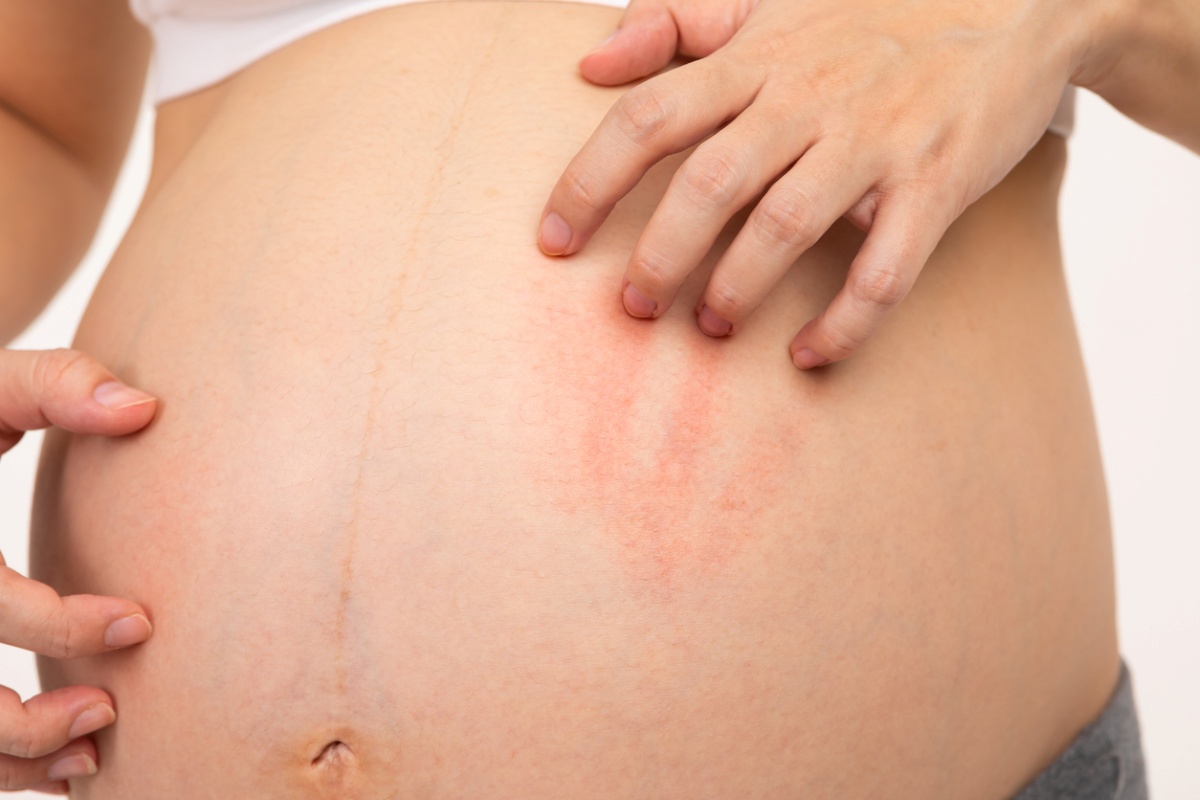
Itching is common during pregnancy and is usually harmless. Most of the time, it is caused by normal skin stretching, dryness, or hormonal changes. But there is one condition where itching serves as an important warning sign: intrahepatic cholestasis of pregnancy, often shortened to cholestasis. This is a liver condition that develops when bile flow slows down, allowing bile acids to build up in the bloodstream. Cholestasis is treatable and manageable, especially when it is caught early, but it does require monitoring and may affect your delivery plan.
What Happens During Cholestasis
Bile is a substance made by the liver that helps your body digest fats. During pregnancy, hormonal changes can slow bile flow. When bile does not move through the liver properly, bile acids accumulate in the blood. That buildup is what causes the intense itching that most patients notice first.
Cholestasis usually develops in the third trimester, though it can appear earlier. It is more common in women who have had the condition in a previous pregnancy, those with a family history, women carrying multiples, and those with certain liver or gallbladder issues. That said, it can happen to anyone. Symptoms typically improve quickly after delivery as hormone levels drop and bile flow returns to normal.
How Cholestasis Itching Feels Different
Many women describe cholestasis itching as deeper and more persistent than itching associated with typical dry skin. It is often worse at night, which can significantly disrupt sleep. A common pattern is itching concentrated on the palms of the hands and the soles of the feet, though it can also affect the arms, legs, or torso.
Unlike many skin conditions, cholestasis itching may occur without a visible rash. If you do notice a rash, it may be from scratching rather than the condition itself. Moisturizers and typical remedies usually do not provide relief. If your itching is intense, worsening, or focused on your palms and soles, ask your provider whether bile acid testing is appropriate.
Other Symptoms to Watch For
Itching is the hallmark complaint, but some women notice additional signs of cholestasis. These can include dark urine, light or pale-colored stools, unusual fatigue, nausea, or reduced appetite. Yellowing of the skin or eyes is less common but can occur. These symptoms can also happen for other reasons during pregnancy, which is why testing is essential. If you notice yellowing of the skin or eyes, new severe nausea, or abdominal pain, contact your provider promptly.
How Cholestasis Is Diagnosed
Cholestasis is diagnosed through bloodwork. The most important test is a bile acid level. Providers may also check liver function tests, which include markers like ALT (alanine transaminase) and AST (aspartate aminotransferase). Our advanced testing and evaluation services allow for timely lab work and assessment.
One important thing to know is that symptoms can start before lab values become clearly abnormal. If your itching strongly suggests cholestasis but your first bile acid test comes back normal, your provider may recommend repeating it. Bile acid levels can rise over days to weeks, so a single normal result does not always rule the condition out.
Why Early Detection Matters
Cholestasis is not a condition that should be managed with a wait-and-see approach. Higher bile acid levels are associated with increased pregnancy risk, particularly later in pregnancy. Understanding what makes a pregnancy high risk can help you recognize why early identification and monitoring are so important. The sooner cholestasis is identified, the sooner a management plan can be put in place. That plan may include medication to help lower bile acids, increased fetal monitoring, and a conversation about delivery timing.
In many cases, providers recommend not continuing the pregnancy far past the due date, and some patients may be advised to deliver earlier depending on their lab levels and overall clinical picture. This is not meant to create fear. It is meant to create a clear path forward so you know exactly what to expect.
What Monitoring and Treatment May Include
If you are diagnosed with cholestasis, your care plan will likely change. The specifics depend on your bile acid levels, gestational age, and whether you have other complications. A pregnancy team management approach helps coordinate monitoring, which may include repeat bile acid and liver function testing, ultrasound assessments of fetal growth and fluid levels, and fetal surveillance to evaluate well-being as you approach delivery.
Treatment often includes medication designed to lower bile acids and support liver function. For comfort, your provider may suggest keeping skin moisturized, using cool compresses, and avoiding hot environments that can worsen itching. These steps do not treat cholestasis on their own, but they can make a real difference in daily comfort and sleep quality.
When to Call Your Provider Right Away
Contact your provider if you experience intense or worsening itching, especially on the palms and soles. Call right away if itching is accompanied by any of the following:
- Yellowing of the skin or eyes, dark urine, or pale stools
- Severe nausea, vomiting, or right upper abdominal pain
- Decreased fetal movement, vaginal bleeding, leaking fluid, or contractions
If you are ever unsure whether your symptoms are urgent, call. It is always better to ask early than to wait.
Getting Help Early Gives You More Options
Many patients with cholestasis go on to have healthy outcomes, especially with appropriate monitoring and a clear delivery plan. The most important step you can take is reporting symptoms early and following through with lab testing. You do not have to navigate this alone.
If you are experiencing persistent itching during pregnancy and you are concerned about cholestasis, schedule an appointment with High Risk Pregnancy Center. Our team can evaluate your symptoms, order the appropriate bloodwork, and build a monitoring plan tailored to your pregnancy.