Pregnancy is a life-changing time that requires special attention to nutrition to support both maternal health and fetal development. Ensuring that both mother and child get the necessary nutrients involves understanding the role of key vitamins, supplements and protein. In this article, we will explore which nutrients are crucial during pregnancy and how to incorporate them safely into your diet. Your doctor may choose to obtain blood levels during the early stages of pregnancy to determine your predisposition to deficiencies.
Key Vitamins During Pregnancy
Folic Acid
Folic acid is vital for the development of the baby’s neural tube, which becomes the brain and spinal cord. It helps prevent major birth defects of the brain and spine. Pregnant women should aim for 400-800 micrograms (mcg) of folic acid daily. Good sources include leafy green vegetables, citrus fruits, beans and fortified cereals. Since it is challenging to get enough folic acid from diet alone, healthcare providers often recommend a prenatal vitamin that includes folic acid.
Vitamin D
Vitamin D supports healthy bones and teeth for both mother and baby by aiding the absorption of calcium and phosphorus. Pregnant women need about 600 international units (IU) of vitamin D daily. Sources include sunlight, fatty fish like salmon and fortified foods, such as milk and cereal. In some cases, vitamin D supplements may be necessary, especially for women who have limited sun exposure or dietary intake.
Vitamin C
Vitamin C assists in tissue repair, wound healing and the development of the baby’s bones and teeth. It also enhances the absorption of iron from plant-based foods. Pregnant women should aim for 85 milligrams (mg) of vitamin C daily. Excellent sources include oranges, strawberries, bell peppers and broccoli. This vitamin also plays a role in boosting the immune system, which can be particularly beneficial during pregnancy when the body’s defenses might be slightly lowered.
Other Important Vitamins
In addition to folic acid, vitamin D, and vitamin C, several other vitamins play a crucial role during pregnancy. These include:
- Vitamin A: It is essential for the development of the baby’s organs and immune system. However, it’s important to avoid excessive amounts, since high doses can cause birth defects. The recommended daily intake is 770 micrograms (mcg).
- Vitamin E: This helps with the formation of red blood cells and the use of vitamin K. Pregnant women should aim for about 15 mg per day.
- Vitamin B6: It supports brain development and helps the body use protein, fat and carbohydrates. The recommended daily intake is 1.9 mg.
The Role of Supplements
While obtaining nutrients from food is ideal, supplements can help fill dietary gaps. These supplements often come in a variety of formulations including tablets, capsules and gummies. Before starting any new supplement regimen, always consult with a healthcare provider, particular for women who are pregnant given the heightened sensitivity of the baby.
Prenatal Vitamins
Prenatal vitamins are designed to meet the increased nutritional needs of pregnant women, typically containing higher levels of folic acid, iron and calcium compared to standard multivitamins. Taking a prenatal vitamin can help ensure that you receive essential nutrients during pregnancy. Prenatal vitamins often include other important nutrients like iodine, magnesium and zinc, which support various aspects of fetal development and maternal health.
Iron Supplements
Iron is crucial for the production of hemoglobin, which carries oxygen in the blood. During pregnancy, your body needs more iron to support increased blood volume and the baby’s growth. Iron deficiency can lead to anemia, causing fatigue and increasing the risk of preterm delivery. Pregnant women should aim for 27 mg of iron daily. Iron-rich foods include lean meats, spinach and legumes. If dietary intake is insufficient, your doctor may recommend an iron supplement. It’s also helpful to pair iron-rich foods with vitamin C-rich foods to enhance iron absorption.
Omega-3 Fatty Acids
Omega-3 fatty acids, particularly DHA, are important for the development of the baby’s brain and eyes. DHA is an omega-3 fatty acid that is found in fatty fish, like salmon, walnuts and flaxseeds. However, it is also in many prenatal vitamins. It is recommended to consume at least 200 mg of DHA daily during pregnancy. Omega-3 supplements derived from fish oil or algae are available for those who do not consume fish regularly. These supplements can help ensure adequate intake of these essential fatty acids.
Calcium Supplements
Calcium is essential for the development of the baby’s bones and teeth. Pregnant women need about 1,000 mg of calcium daily. While dairy products are excellent sources of calcium, supplements may be necessary for those who are lactose intolerant or do not consume enough dairy. Calcium supplements, which contain calcium carbonate, can help meet the daily requirement and prevent the body from depleting its own calcium stores, which can lead to bone density loss in the mother.
Protein: Building Blocks for Growth
Protein is a macronutrient that is essential for the growth and development of the baby and the maintenance of maternal tissues. During pregnancy, the demand for protein increases.
How Much Protein Do You Need?
Pregnant women should aim for about 71 grams of protein daily. However, this can vary based on individual needs and activity levels. Including a variety of protein sources can help meet this requirement. Protein supports the growth of fetal tissue, including the brain, and helps produce extra blood needed during pregnancy.
Sources of Protein
- Lean Meats: Chicken, turkey and lean cuts of beef and pork.
- Fish: Low-mercury fish like salmon, trout and sardines. Fish provides high-quality protein along with omega-3 fatty acids.
- Dairy Products: Milk, cheese and yogurt. These also provide calcium and vitamin D.
- Legumes: Beans, lentils and chickpeas. These are excellent plant-based protein options and are also high in fiber.
- Nuts and Seeds: Almonds, peanuts, chia seeds and flaxseeds. These provide protein along with healthy fats.
- Eggs: A versatile source of high-quality protein that also provides essential vitamins and minerals.
Balancing Your Diet
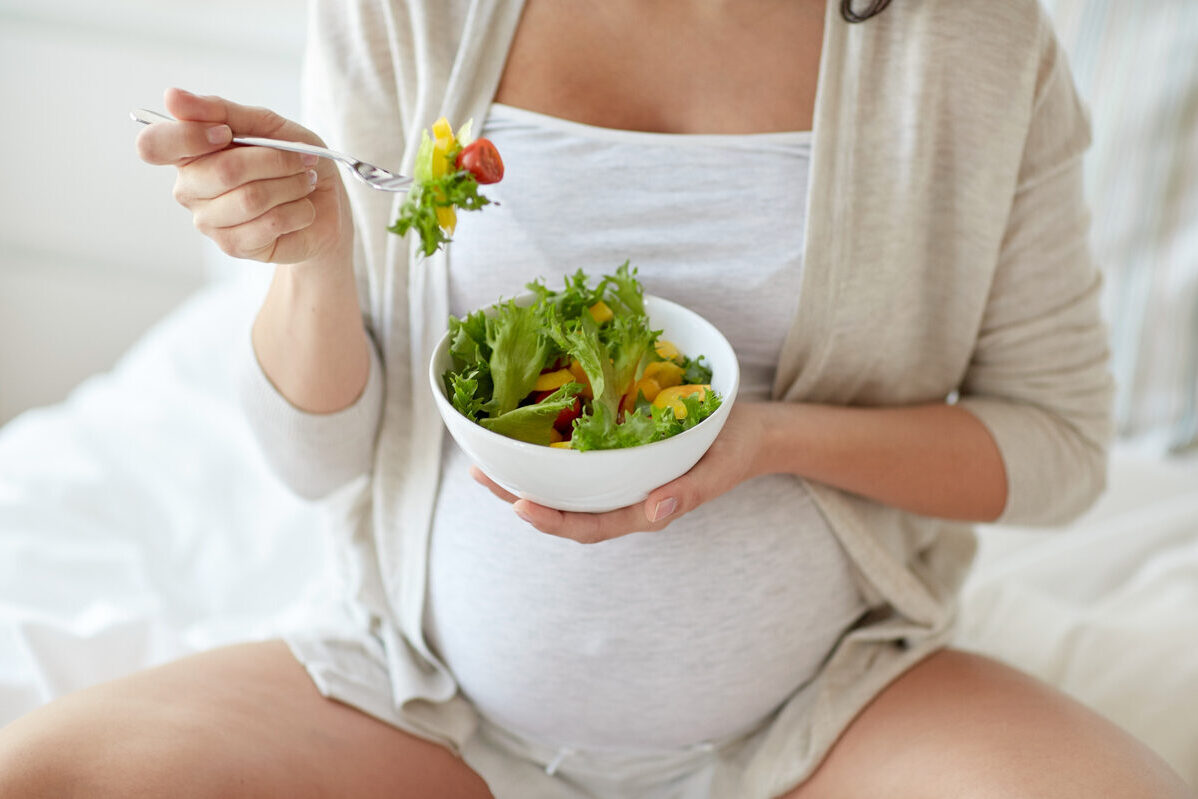
A balanced diet during pregnancy includes a mix of fruits, vegetables, whole grains, proteins and healthy fats. Here are some tips to maintain a nutritious diet:
- Eat Small, Frequent Meals: This can help manage nausea and ensure a steady intake of nutrients. Small meals can also prevent heartburn and keep blood sugar levels stable.
- Stay Hydrated: Drinking plenty of water is essential for overall health and helps with digestion and nutrient absorption. Aim for at least 8-10 glasses of water a day.
- Limit Processed Foods: Aim to eat whole, unprocessed foods to maximize nutrient intake. Processed foods often contain added sugars, unhealthy fats and preservatives.
- Listen to Your Body: Pregnancy can bring about various cravings and aversions. While occasional indulgence is okay, try to make nutritious choices that benefit both you and your baby. Pay attention to hunger and fullness cues and eat a variety of foods to ensure a wide range of nutrients.
Additional Dietary Tips
- Calories: The first trimester does not typically require extra calories. It is recommended that pregnant women consume more calories in the 2nd and 3rd trimester.
- Include Fiber-Rich Foods: Constipation is a common issue during pregnancy. Eating plenty of fiber-rich foods like fruits, vegetables, whole grains and legumes can help keep your digestive system regular.
- Monitor Caffeine Intake: Limit caffeine to 200 mg per day (about one 12-ounce cup of coffee) to reduce the risk of miscarriage and preterm birth.
- Avoid Alcohol and Certain Fish: Completely avoid alcohol during pregnancy. You should also avoid fish high in mercury like shark, swordfish, king mackerel and tilefish.
Conclusion
Optimizing nutrition during pregnancy is key to supporting your health and your baby’s development. Focus on essential vitamins, incorporate the right supplements and ensure adequate protein intake. Always consult with your healthcare provider before making any significant changes to your diet or supplement regimen. Every small step towards better nutrition is a step towards a healthier future for you and your baby.
References
- American College of Obstetricians and Gynecologists. Folic Acid. Available at: https://www.acog.org/womens-health/faqs/folic-acid.
- Centers for Disease Control and Prevention. Folic Acid. Available at: https://www.cdc.gov/ncbddd/folicacid/index.html.
- National Institutes of Health. Vitamin D. Available at: https://ods.od.nih.gov/factsheets/VitaminD-Consumer/.
- Mayo Clinic. Pregnancy Nutrition: Foods to Avoid During Pregnancy. Available at: https://www.mayoclinic.org/healthy-lifestyle/pregnancy-week-by-week/in-depth/pregnancy-nutrition/art-20046955.
- Office on Women’s Health. Prenatal Care and Tests. Available at: https://www.womenshealth.gov/pregnancy/youre-pregnant-now-what/prenatal-care-and-tests.
- World Health Organization. Iron and Pregnancy. Available at: https://www.who.int/nutrition/topics/ida/en/.
- American Pregnancy Association. Omega-3 Fatty Acids. Available at: https://americanpregnancy.org/healthy-pregnancy/pregnancy-health-wellness/omega-3-fatty-acids/.
- Institute of Medicine. Dietary Reference Intakes for Energy, Carbohydrate, Fiber, Fat, Fatty Acids, Cholesterol, Protein, and Amino Acids. Available