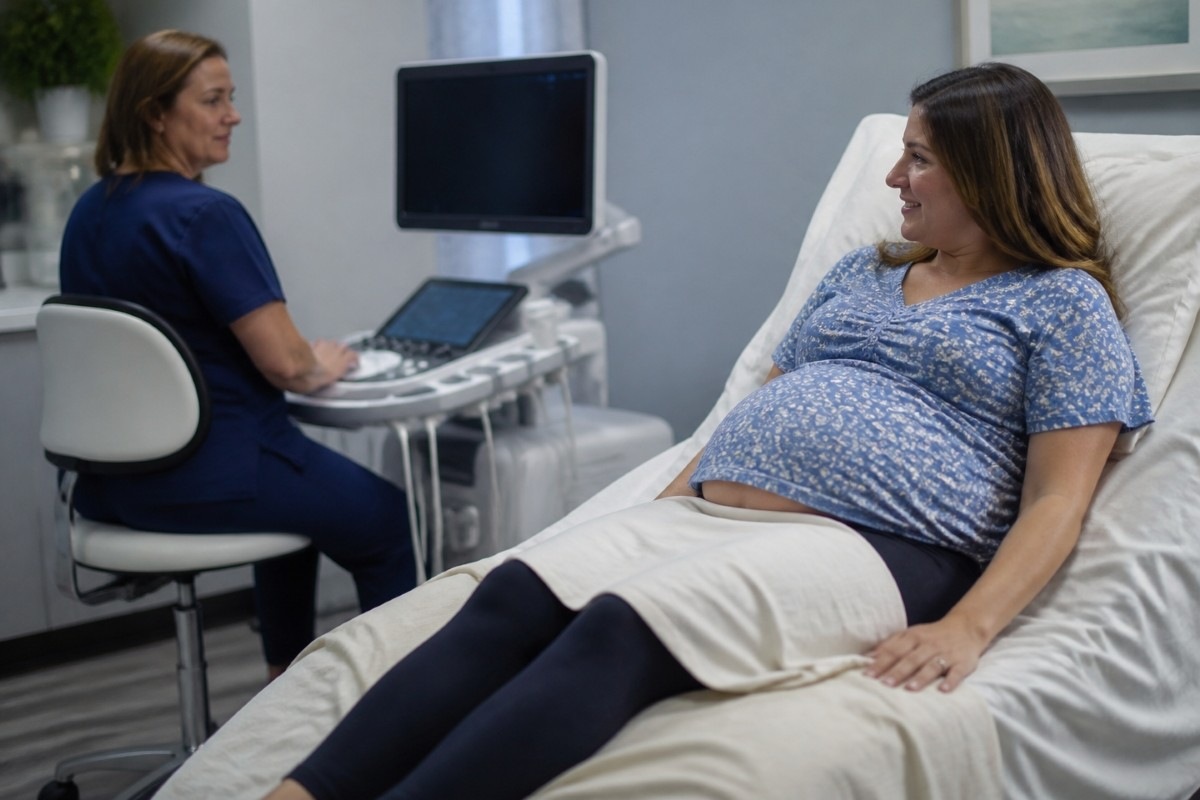
Stillbirth is the loss of a baby at 20 weeks of pregnancy or later. In the United States it affects roughly 1 in 175 births, and CDC data show that in 2024, there were about 5.4 stillbirths per 1,000 babies born. This is the lowest rate of stillbirths in decades but is still close to 20,000 losses in a single year. Roughly 40% of stillbirths are believed to be potentially preventable, and many others remain unexplained even after full evaluation.
Those two facts sit uncomfortably together, which is why this topic is worth understanding rather than avoiding. Knowing where your risk actually sits is usually less frightening than not knowing.
What Raises Risk, and What You Can Change
Some risk factors are fixed. A prior stillbirth is the strongest predictor. Others include multiples, pregnancy conceived through IVF, fetal growth restriction, certain fetal anomalies, and maternal age, particularly at 40 and older.
Others respond to management, which is where most of the opportunity lies:
- Chronic hypertension, pregestational diabetes, thyroid disease, and autoimmune conditions all raise risk, and controlling them well before and during pregnancy lowers it
- Smoking increases risk in a dose-dependent way, and quitting between or during pregnancies is protective
- Obesity is a consistent risk factor, though the leverage point is preconception rather than weight loss during pregnancy
- Placental problems, which underlie a large share of unexplained losses, often announce themselves through poor fetal growth
There is also a disparity that no individual choice explains. CDC data show stillbirth rates near 10 per 1,000 among Black and Native Hawaiian or Pacific Islander mothers, roughly double the rate for White, Hispanic, and Asian mothers. Researchers attribute this to differences in access and quality of care, not to anything patients are doing wrong.
What a Risk Calculator Can and Cannot Tell You
Risk assessment tools, including the one on the High Risk Pregnancy Center website, do one specific job well: sorting who needs a closer look. They combine known factors so care can be matched to actual risk.
What they cannot do is predict an individual outcome. Being flagged as higher risk is not a forecast. It is a prompt to have a real conversation about monitoring, and most people flagged this way deliver healthy babies.
Steps With Evidence Behind Them
Sleep on your side in the third trimester. A pooled analysis of individual patient data found that going to sleep on your back after 28 weeks is associated with roughly double the odds of late stillbirth, and researchers estimate universal side sleeping could prevent about 6 percent of late stillbirths. The absolute risk stays low, and the going-to-sleep position is what matters. If you wake up on your back, roll over and go back to sleep. A pillow behind you makes it easier.
Pay attention to fetal movement, with a caveat. Formal kick counting programs have not been shown in randomized trials to reduce stillbirth. What is well established is that a genuine change in your baby’s usual pattern, especially a decrease, should be reported promptly. Knowing your baby’s normal matters more than hitting a number, and never wait overnight to see if things improve.
Manage what is already on your chart. Blood pressure control, blood sugar control, medication adjustments before conception, and treatment of sleep apnea all move risk in the right direction.
When Extra Monitoring Makes Sense
For pregnancies with identifiable risk factors, antenatal fetal surveillance, usually nonstress tests or biophysical profiles, typically starts around 32 weeks. After a prior stillbirth, the American College of Obstetricians and Gynecologists guidance supports serial growth ultrasounds from 28 weeks, surveillance beginning at 32 weeks or one to two weeks before the gestational age of the prior loss, and planned delivery at 39 weeks unless other conditions dictate otherwise.
Carrying the Worry
Anxiety about stillbirth is common, and heavier for anyone who has already experienced a loss. That anxiety is not irrational and does not need to be argued away, but it should not be carried alone. Treatment for perinatal anxiety and depression is effective and safe in pregnancy.
Making a Plan Instead of Holding Your Breath
The most useful response here is a specific plan: know your risk factors, treat the ones that respond to treatment, and know exactly who to call when something feels off.
The High Risk Pregnancy Center provides advanced ultrasound, fetal surveillance, diabetes and chronic condition management, a Perinatal Behavioral Health Clinic, and social work support including grief counseling, with 24/7 availability across Las Vegas, Henderson, and Reno. Call 702-382-3200 in Southern Nevada or 775-404-5000 in Reno, or request an appointment to schedule a visit and talk through your own picture.