Preeclampsia is a serious pregnancy complication that involves high blood pressure and can damage organs like the liver or kidneys. It typically develops after 20 weeks of pregnancy, though it can sometimes appear earlier or even after delivery. Left untreated, preeclampsia can lead to life-threatening problems for both mother and baby, which is why understanding the risk factors and warning signs is so important.
Who Is at Risk for Preeclampsia?
Preeclampsia can happen in any pregnancy, but certain factors raise your chances. You may be at higher risk if this is your first pregnancy, if you are carrying multiples, or if you are over age 35. A personal history of preeclampsia in a previous pregnancy also increases your likelihood of developing it again.
Chronic health conditions play a role as well. Women with pre-existing high blood pressure, diabetes (including gestational diabetes), kidney disease, or autoimmune conditions like lupus are more likely to develop preeclampsia. Obesity before or during pregnancy is another well-established risk factor.
There is also a higher incidence of preeclampsia among Black women, which researchers believe is connected to both genetic factors and longstanding disparities in access to healthcare. If you have a family history of preeclampsia, particularly a mother or sister who experienced it, that also raises your risk.
How to Prevent Preeclampsia With Low-Dose Aspirin
There is no guaranteed way to prevent preeclampsia, but current medical guidelines recommend that women who are at increased risk begin taking low-dose aspirin (typically 81 mg daily) starting between weeks 12 and 16 of pregnancy. The American College of Obstetricians and Gynecologists (ACOG) supports this recommendation, and studies have shown that early aspirin use can reduce the risk of preeclampsia in high-risk women.
Your provider can help you determine whether low-dose aspirin is appropriate for your situation based on your individual health history. Attending all of your prenatal appointments, managing chronic conditions like hypertension or diabetes, staying physically active, and eating a balanced diet are also steps that support a healthier pregnancy.
Preeclampsia Warning Signs and Symptoms You Should Never Ignore
Some preeclampsia symptoms are easy to overlook because they can feel like normal pregnancy discomforts. But certain signs should never be ignored. Reach out to your provider right away if you experience a severe headache that does not go away with rest or medication, vision changes like blurriness or seeing spots, or sudden swelling in your face or hands.
Upper abdominal pain, especially on the right side beneath the ribs, can signal liver involvement and needs immediate evaluation. Nausea or vomiting that suddenly appears in the second half of pregnancy, shortness of breath, or a general feeling that something is not right should also prompt a call to your care team. Preeclampsia can escalate quickly, so early evaluation truly matters.
How Does Preeclampsia Affect the Baby?
Preeclampsia affects the placenta, which is your baby’s source of oxygen and nutrients. When blood flow through the placenta is reduced, some babies grow more slowly than expected, a condition called fetal growth restriction. In more severe cases, preeclampsia can lead to low amniotic fluid or, rarely, placental abruption.
The other way preeclampsia affects babies is through timing. Because delivery is the definitive treatment, some pregnancies complicated by preeclampsia need to be delivered early, which can mean a preterm birth and time in the NICU.
It is worth saying clearly: many women diagnosed with preeclampsia go on to deliver healthy babies. When the condition is caught early and monitored closely, your care team can often extend the pregnancy safely and give your baby more time to develop. That is exactly what close monitoring is designed to accomplish.
How Is Preeclampsia Diagnosed and Treated?
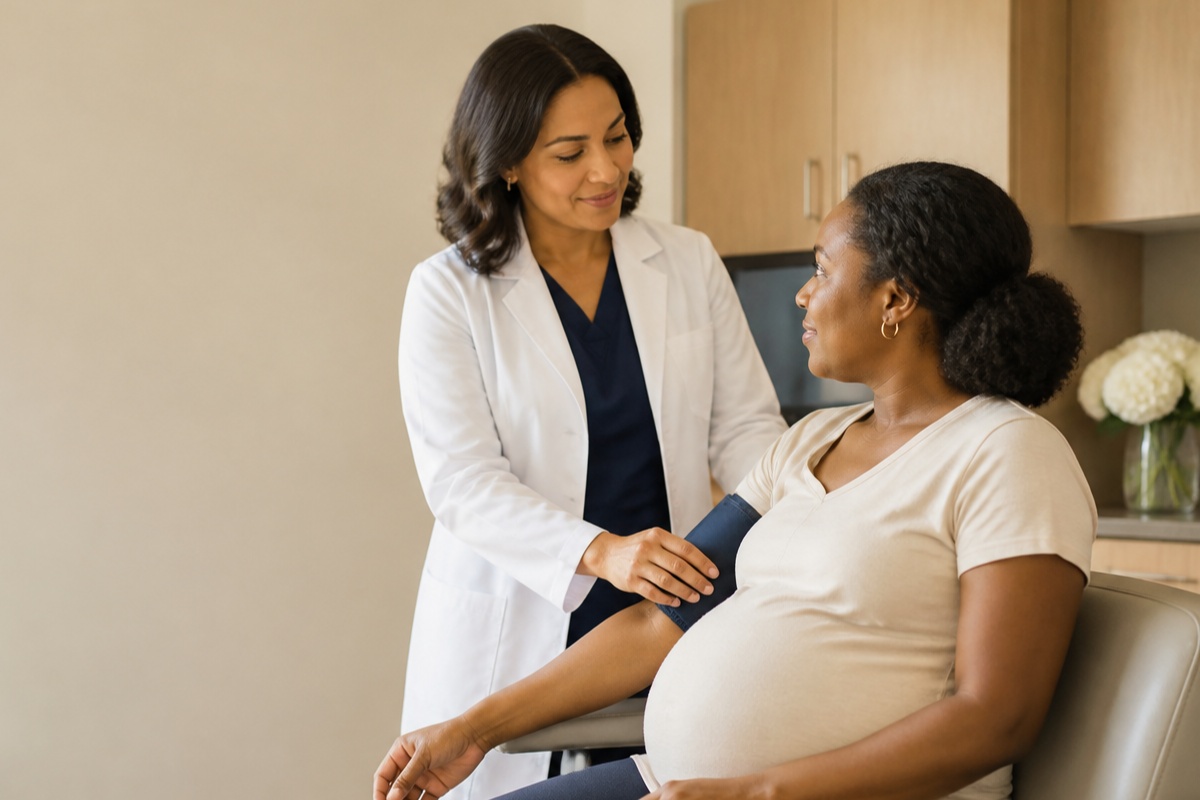
When preeclampsia is suspected, your provider will check your blood pressure, test your urine for protein, and order blood work to assess your liver and kidney function along with your platelet count. These tests help determine the severity of the condition and guide next steps.
For mild cases, close monitoring may include more frequent prenatal visits, blood pressure checks at home, and repeated lab work. Your provider will also monitor your baby’s growth and well-being through ultrasound and fetal heart rate testing.
In more severe cases, hospitalization may be necessary. Medications can help lower dangerously high blood pressure and prevent seizures, a complication known as eclampsia. Ultimately, delivery is the only cure for preeclampsia. When and how delivery happens depends on how far along you are, the severity of the condition, and how both you and your baby are doing.
Preeclampsia Care in Las Vegas, Henderson, and Reno
Because preeclampsia can involve multiple organ systems and change rapidly, having a care team experienced in managing high-risk pregnancies can make all the difference. At the High Risk Pregnancy Center, our board-certified maternal-fetal medicine specialists work alongside your OB/GYN through coordinated pregnancy team management to create a monitoring plan tailored to your needs. With advanced ultrasound technology, comprehensive diagnostic testing, and 24/7 availability, we are equipped to catch complications early and respond quickly.
If you have risk factors for preeclampsia or are experiencing any of the warning signs above, do not wait. Schedule an appointment with the High Risk Pregnancy Center by calling (702) 382-3200 or requesting an appointment online.