At the High Risk Pregnancy Center in Nevada, we are devoted to protecting the health of mothers-to-be and their unborn babies. As obstetric subspecialists, our highly trained and experienced
maternal fetal medicine (MFM) doctors offer the most advanced testing and treatment options available for reducing pregnancy risks.
In fact, our team has been on the
leading edge of MFM (also known as perinatology) for more than two decades. Since then, we’ve introduced many new capabilities in Nevada and have made a substantial contribution to the modern standard of MFM care. Today, we still lead the way in technology, procedures, and
commitment to the women in our care and their unborn babies. Learn more about the
High Risk Pregnancy Center.
Genetic testing has become one of the most powerful tools in modern obstetrics. These tests provide valuable information about your baby’s development and can help identify potential risks early, allowing for more informed decisions and better preparation. For women over the age of 35, those with family histories of genetic conditions, or patients with high-risk…
The postpartum period is one of the most critical stages in a woman’s life. It begins immediately after childbirth and extends through the first weeks and months as your body recovers, your baby grows, and your family adjusts to new routines. While this time can bring immense joy, it can also feel overwhelming. Many mothers…
Pregnancy can be one of the most exciting and transformative times in your life. But if your pregnancy is considered high risk, it is natural to feel more cautious about your health and your baby’s well-being. A high-risk pregnancy means that you or your baby are more likely to face complications, so your care requires…
Pregnancy is often described as one of the most exciting times in a woman’s life, filled with joy and anticipation. For many, the journey is straightforward and without complication. For others, however, certain medical conditions, lifestyle factors, or pregnancy-related issues can increase the chances of complications. This is what physicians call a high-risk pregnancy. A…
Every stage of life brings new opportunities to care for your health, and your 50s and 60s are no exception. During these years, many women are post-menopausal and adjusting to physical and emotional changes that come with aging. While some shifts are natural, others require more attention to protect long-term well-being. By taking a proactive…
Diabetes is becoming increasingly common in the United States, and more women are entering pregnancy with either type 1 or type 2 diabetes. Gestational diabetes, which develops during pregnancy, is also on the rise, now affecting up to 14 percent of all pregnancies. While diabetes can increase the risk of complications for both mother and…
Placenta previa is a condition in which the placenta lies low in the uterus and partially or completely covers the cervix. The cervix is the opening of the uterus that allows the baby to pass through during delivery. If the placenta blocks this opening, it can interfere with a safe vaginal birth and may cause…
Every pregnancy carries some degree of risk. For most women, the journey is uncomplicated, but for others, certain health conditions can raise the likelihood of complications. While some risks cannot be completely avoided, many can be reduced with the right preparation and care before conception. Addressing maternal health concerns before pregnancy can significantly improve the…
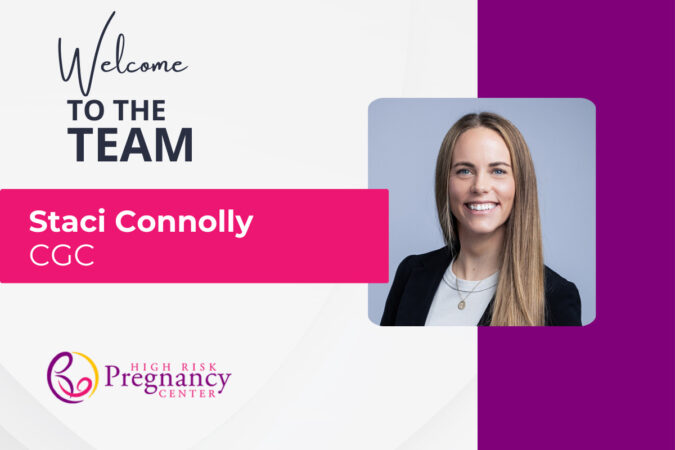
We are excited to share some wonderful news with our patients and community. The High Risk Pregnancy Center has welcomed Staci Connolly, MS, Genetic Counselor to our Reno team. For more than 20 years, we have been dedicated to helping women and families across Nevada navigate high risk pregnancies with expertise, compassion, and support. Adding…
If you’re pregnant and managing a chronic health condition, chances are you’re taking at least one medication. But pregnancy often brings up new questions and concerns, especially when you’re considered high risk. Is your medication safe for the baby? Should you stop taking it? Could it be replaced with something else? Whether you’re dealing with…