Studies suggest that about 10% of all pregnancies in the United States are complicated by high blood pressure. High blood pressure in pregnancy is a serious issue that can cause a number of complications for both mother and baby. This includes a condition known as preeclampsia. Preeclampsia is a blood pressure disorder that can happen during pregnancy or soon after delivery. If you have been diagnosed with preeclampsia, your prenatal team will pay close attention to your pregnancy as it advances to ensure that both you and your baby are doing well.
What is preeclampsia?
Preeclampsia is a blood pressure condition that can develop after the 20th week of pregnancy. Women with preeclampsia often have high blood pressure alongside high levels of protein in their urine (proteinuria). Pre-eclampsia can also affect the blood supply to the placenta, impair liver and kidney function, and cause a seizure or stroke in the pregnant patient.
How preeclampsia impacts mother and baby
Preeclampsia can impact both the mother and the baby. For the mother, untreated preeclampsia can lead to severe complications such as seizures, strokes, and organ failure. For the baby, preeclampsia can restrict blood flow to the placenta, leading to fetal growth restriction (FGR). It can also cause low birth weight and premature birth. Sometimes, preeclampsia leads to a premature delivery to save the life of the mother and baby.
For these reasons, it is important to work closely with your healthcare team to ensure that your high blood pressure is being managed as effectively as possible.
Signs and Symptoms of Preeclampsia
Recognizing the signs and symptoms of preeclampsia is important for early detection and intervention. Common signs and symptoms include:
- High blood pressure (hypertension)
- Proteinuria (presence of protein in urine)
- Swelling, especially in the hands and face
- Headaches, often severe and persistent
- Visual disturbances such as blurred vision or flashing lights
- Pain in the abdomen, typically under the ribs on the right side
- Sudden onset of nausea or vomiting
Not all women will experience all of these symptoms. However, if you notice any of these symptoms, particularly if you have been diagnosed with high blood pressure, it is essential to contact your doctor immediately. They can evaluate your symptoms and discuss the next steps.
Management Tips for a Safer Pregnancy with Preeclampsia
If you have been diagnosed with preeclampsia, your healthcare team will pay special attention to factors such as your blood pressure, laboratory values, the presence of protein in your urine, and how you’re generally feeling. They will also pay attention to how the pregnancy is developing and may request additional prenatal scans.
To give yourself the best chance of having a safe and successful pregnancy, keep the following tips in mind:
Regular Prenatal Care
Attend all scheduled prenatal appointments with your doctor for routine monitoring of your blood pressure, urine protein levels, and overall health. The early detection and management of preeclampsia are essential for reducing the risk of complications.
Blood Pressure Monitoring
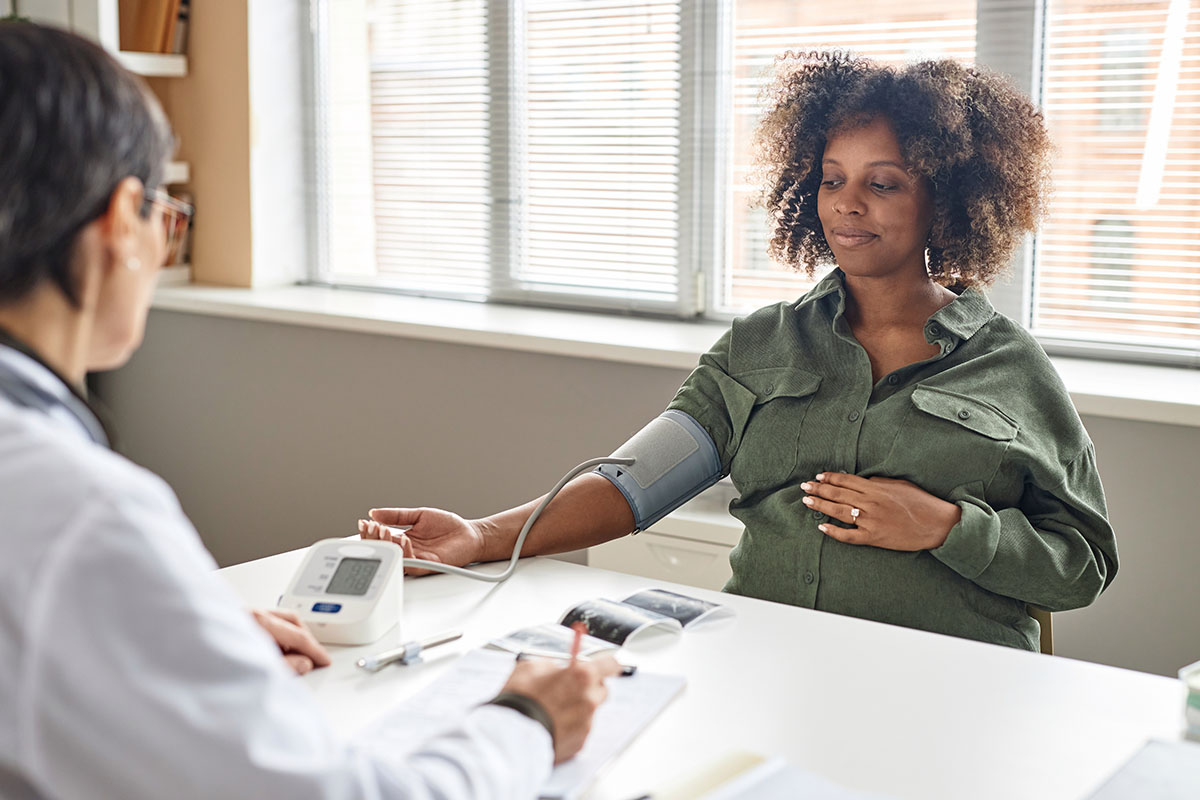
Monitor your blood pressure regularly at home, as directed by your doctor. Keep a log of your blood pressure readings and report any significant changes or abnormalities to your doctor promptly.
Rest and Relaxation
Prioritize rest and relaxation to help manage stress and reduce blood pressure. Avoid excessive physical exertion and make time for relaxation. High stress levels can increase your blood pressure.
Be Mindful of Warning Signs and Symptoms
Be aware of the following signs or symptoms. If they occur, seek medical attention immediately: Severe headaches, changes in vision (including temporary loss of vision, blurred vision or light sensitivity), upper abdominal pain.
Healthy Diet
Follow a balanced and nutritious diet rich in fruits, vegetables, whole grains, lean proteins, and healthy fats. Limit your intake of processed foods, refined sugars, and sodium. These can contribute to high blood pressure and exacerbate preeclampsia.
Take Medications as Prescribed
If you have been prescribed medication to manage your blood pressure, be sure to take it as directed by your doctor. Skipping doses or discontinuing medication can increase the risk of complications for both you and your baby.
Preeclampsia is a serious pregnancy complication that requires careful monitoring and management to ensure the health and safety of both mother and baby. By understanding the signs and symptoms of preeclampsia, attending regular prenatal appointments, and adhering to prescribed medications, women with preeclampsia can reduce the risk of complications and have a safer pregnancy outcome. As your pregnancy advances, if you have concerns about preeclampsia or experience any of the symptoms mentioned, speak to your doctor for further help and assistance.